
The outside of your house is the first frontier
The most frequently asked window question:
"My windows are so drafty, should I replace them?"
Most of the time, the answer is no. Old windows, when properly maintained and updated can be just as energy efficient as new ones, often for much less money and for a longer time.
The only circumstances under which I'd recommend replacing old windows are: - If the casings are too rotten - If you're going to sell the house in the near future and the local market perceives them as a superior selling point - If there is a high wind/exposure problem in a particular area of the house which only a good replacement would solve.
Other than those cases my contention is that old windows are always a better investment.

The Truth About Modern Windows
Most of the time, the answer is no. Old windows, when properly maintained and updated can be just as energy efficient as new ones, often for much less money and for a longer time.
The only circumstances under which I'd recommend replacing old windows are: - If the casings are too rotten - If you're going to sell the house in the near future and the local market perceives them as a superior selling point - If there is a high wind/exposure problem in a particular area of the house which only a good replacement would solve.
Other than those cases my contention is that old windows are always a better investment.
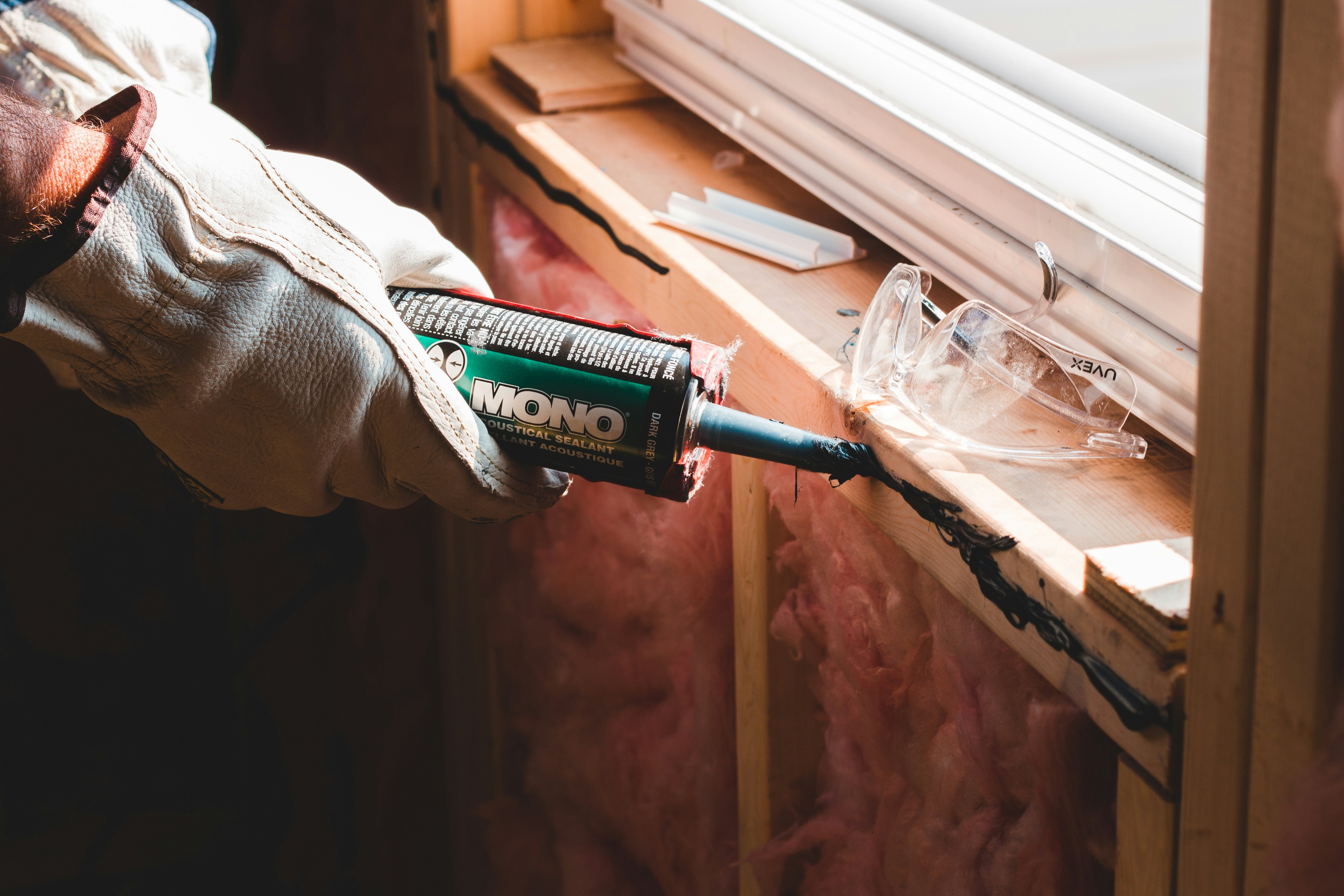
So, what is the most frequent answer to the most frequently asked question? It is CAULKING! Because the most frequent case of drafts is voids in the exterior structure of the window assembly.
Look at the word "window" as representing an assembly of parts filling a hole in your wall. Look at that whole assembly and ask — how ell do all the parts stop up that hole?
It is the junction of these parts that are the most frequnet culprits in causing drafts:
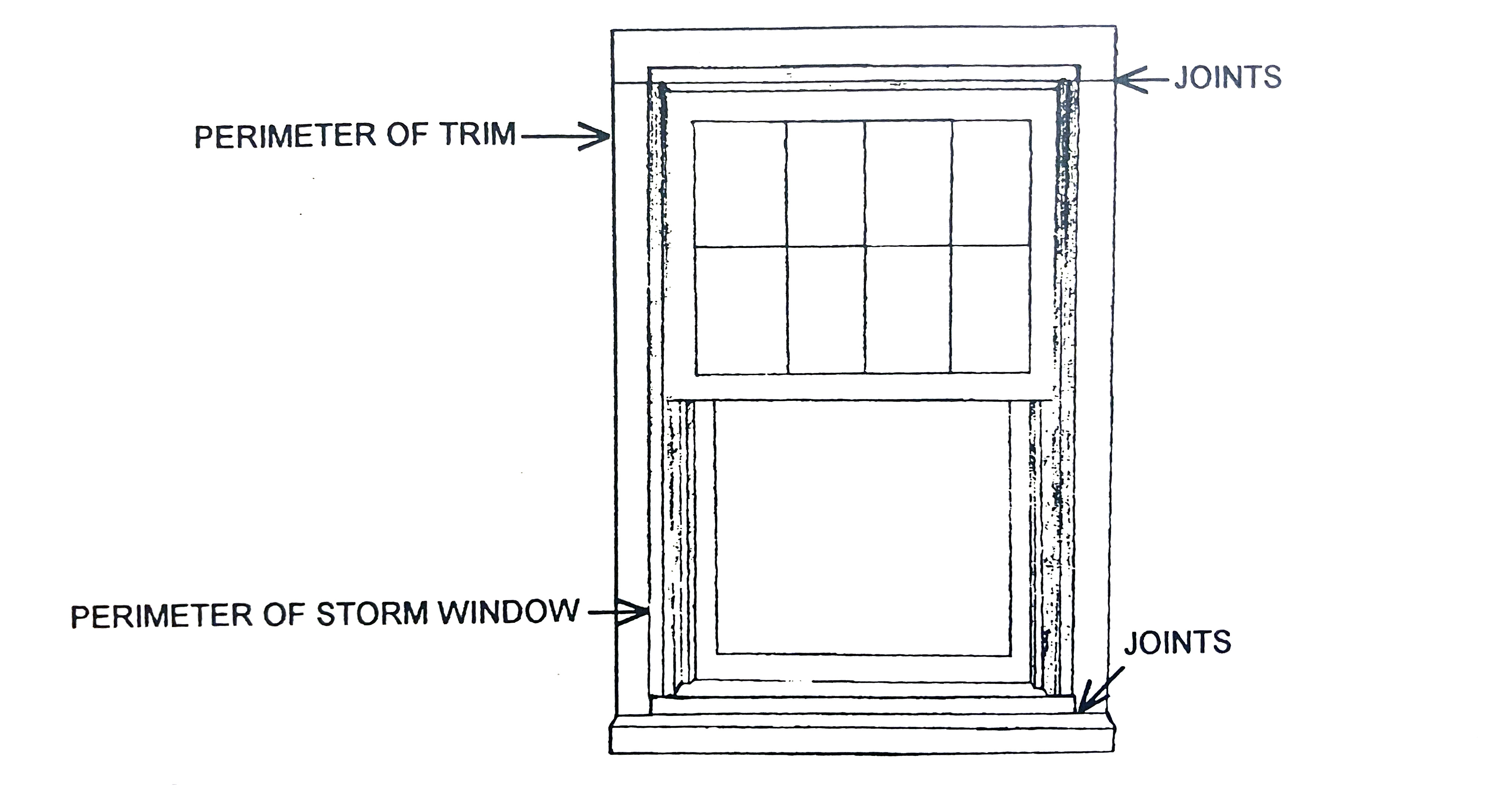
Where one piece of wood meets another and where the whole assembly meets the hole in the wall; i.e. the perimeter
Stand back and look at a window -- the first thing that filled that hole was an assembly of eood molding called trim, or wordwork. It usually looks pretty much the same on the inside and outside: vertical and horizontal pieces framing the opening. What you don't see is that these parts are actually enclosing a box of empty sapce where the window weights go up and down. If that box is not sealed on the outside, it allows wind and rain to enter the space and between your walls., bypassing whatever storm windows and weatherstripping you have installed!
So a good caulking job on all these areas often solves severe draft problems. Add a good storm window and weatherstripping the orginal windows, and you have a window assemblty as tight as you could want, and as good as any "modern" window!
The secret of good caulking is that you are not laying a bead on the crack, you must "tool" it in. The tool can simply be your finger, rag or modified pointing tool (grind a round end). When done properly, a good caulking job should have restored the shape and meet, and all around the permimeter. Look for voids at these junctions, cracks in the wood itself, and separations around the perimeter. Use a good quality, longevity guaranteed (25 to 50 year) exterior grade paintable caulk, usally acrylic latex with silicone (not straight silicone), or vinyl.
If you don't want to do it yourself, there are painters who can do it, but beware; many painters only band-aid wood window trim: they simply paint over the cracks! It takes a real pro to do it right. You can also look under "waterproofing" in the phone book.